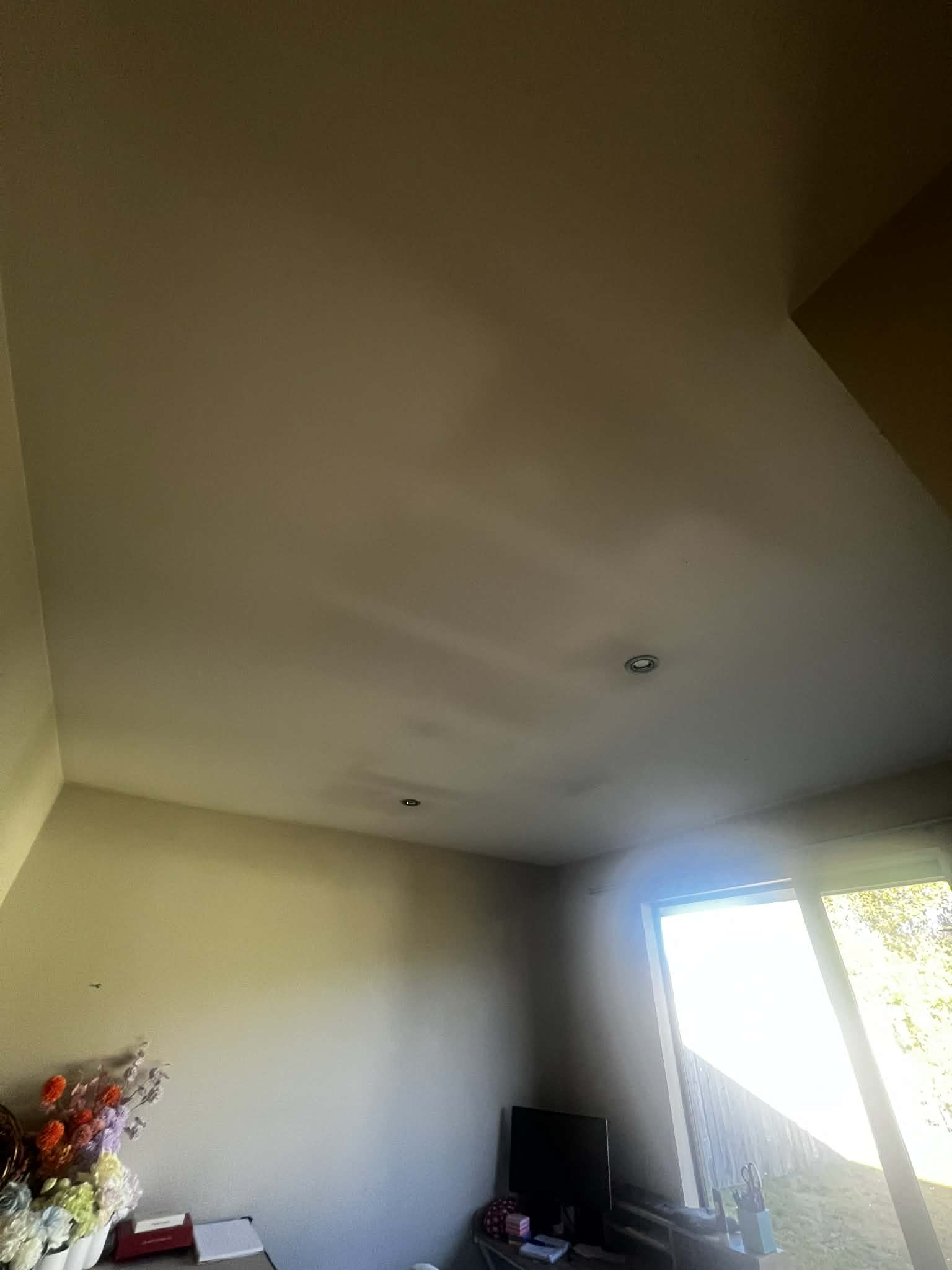
Hi, Brad here. Ever looked up at your ceiling and noticed cloudy grey patches, or faint dark lines running in a grid pattern — like someone drew the framing of your roof onto the ceiling with a soft pencil?
That's thermal ghosting, and around Wanaka I see it in almost every second home I quote. The good news: it's fixable. The catch: if you just roll a coat of ceiling paint over it, it comes straight back.
Quick take: Ghosting is dust sticking to the cold spots on your ceiling. Fix it with a proper clean, a stain-blocking sealer, then two coats of quality ceiling paint — and sort the heat and moisture causing it, or it'll return.
What is thermal ghosting?
Your ceiling isn't the same temperature everywhere. Directly under a timber joist or nog — or anywhere the insulation is thin, squashed or missing — the ceiling surface is a degree or two colder than the plasterboard around it.
Those cold spots do two things:
- They attract moisture. Warm indoor air condenses on the coldest surfaces first, so the cold strips stay ever-so-slightly damp.
- They collect dust. Fine airborne particles — dust, soot from the fire, candle smoke, cooking residue — stick to those cool, damp areas far more than the warmer surface around them.
Over months and years, the particles build up into visible grey shadows that trace the framing above, or blotchy clouds where insulation is patchy. It looks like dirt or even mould, but it's neither — it's physics.
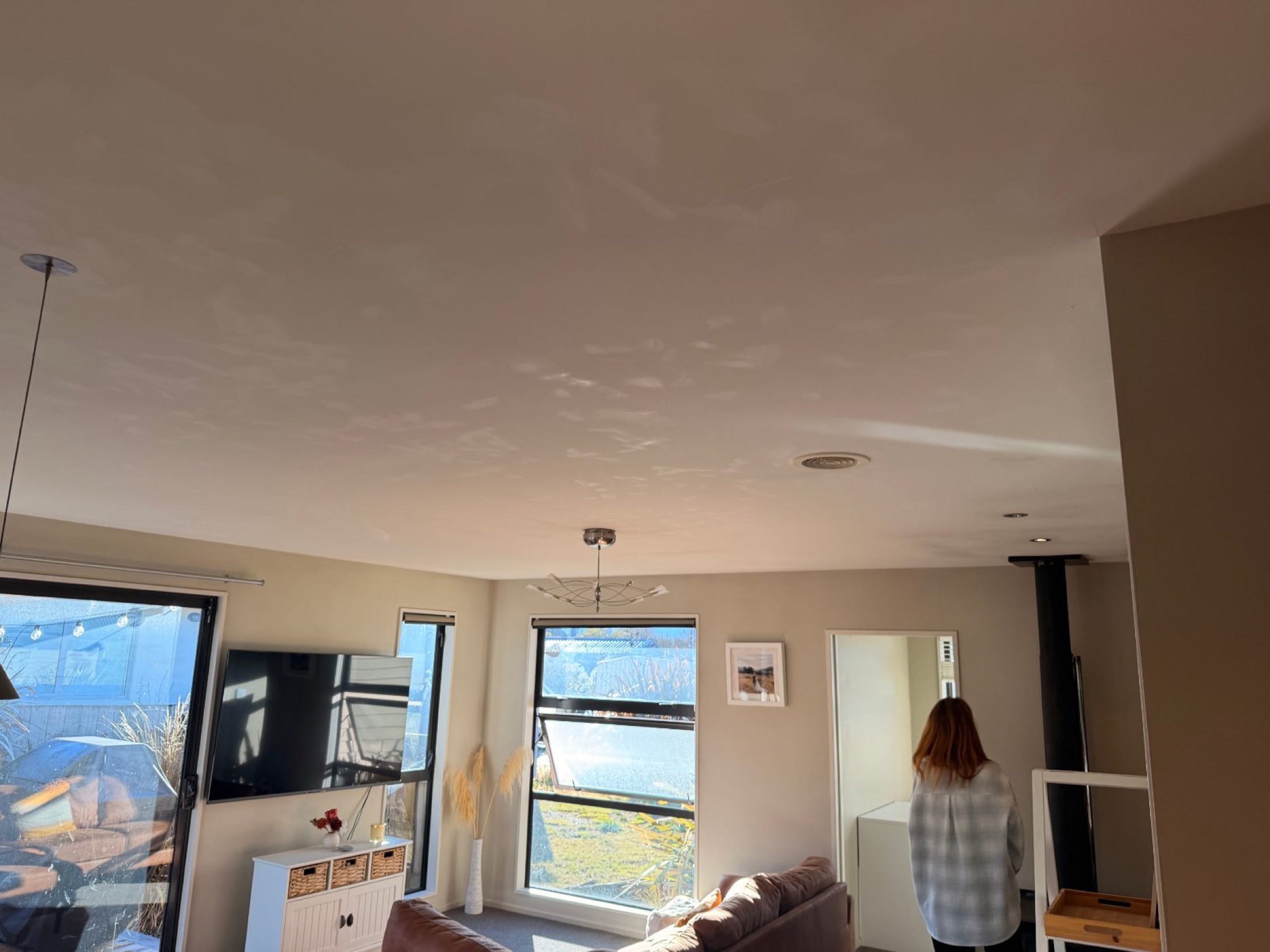
This living room ceiling in Albert Town shows classic ghosting — cloudy patches where the ceiling runs colder and dust has settled into the surface.
Why it's so common around Wanaka
Central Otago is basically the perfect recipe for ghosting:
- Big temperature swings. A Wanaka winter means a toasty 20°C inside and well below zero outside. The bigger the difference, the harder those cold spots on the ceiling work.
- Log burners. Most homes here run a fire all winter. Even a clean-burning fire puts fine soot particles into the air — exactly the stuff that sticks to cold, damp ceiling spots.
- Closed-up houses. In winter we keep windows shut, so moisture from cooking, showers and breathing has nowhere to go. Higher indoor humidity means more condensation on the cold strips.
- Older or patchy insulation. Plenty of homes around Wanaka, Albert Town and Hawea were built before today's insulation standards. Thin or slumped ceiling insulation creates the uneven temperatures that drive ghosting.
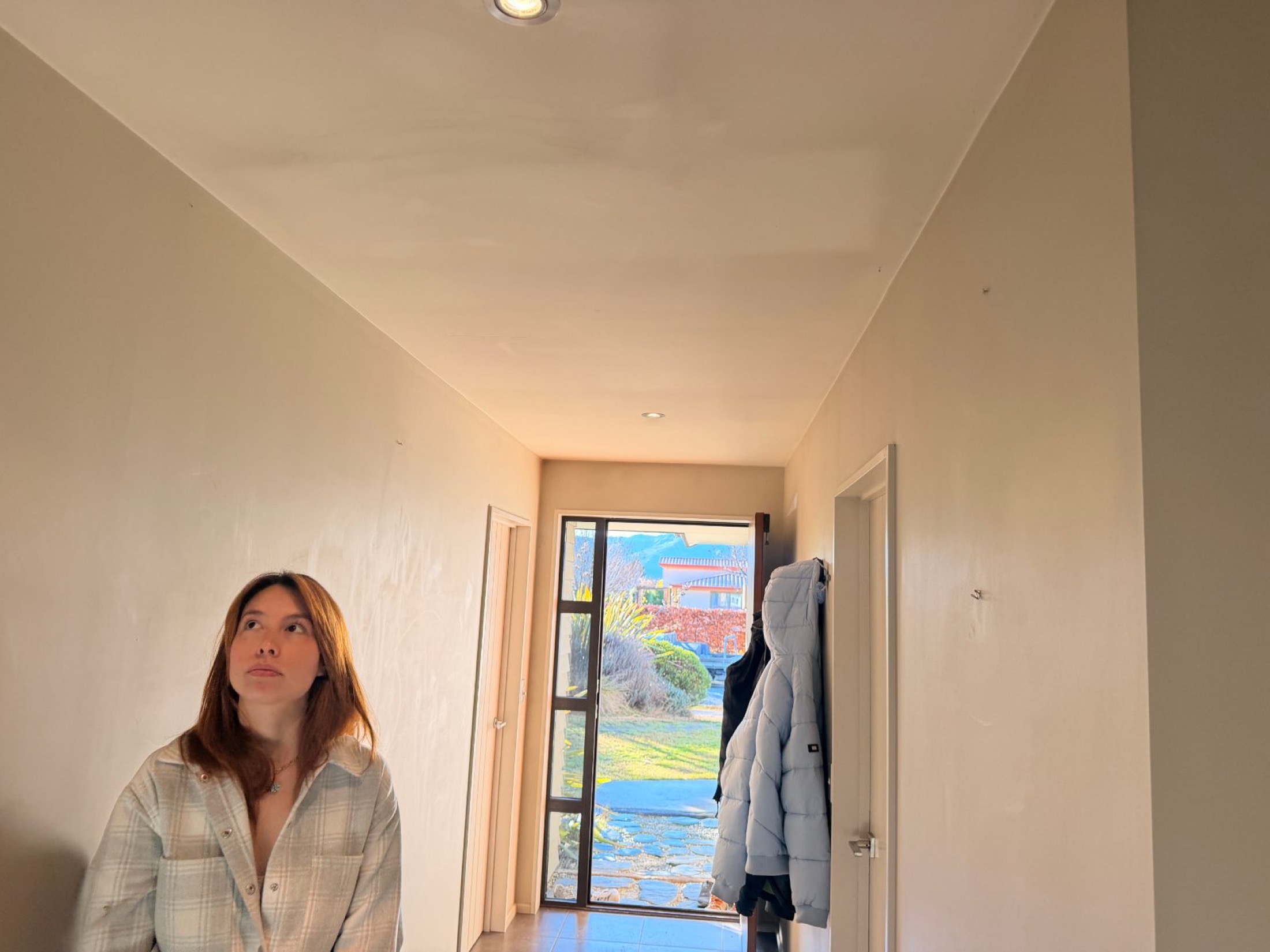
Ghosting often shows up first in hallways and rooms above unheated spaces — anywhere the ceiling runs cold.
Why you can't just paint over it
This is the mistake I see most. The marks are a build-up of greasy, sooty particles bonded to the paint surface. Roll fresh paint straight over them and two things happen:
- The contamination bleeds through the new coat, so the shadows reappear within weeks.
- The new paint doesn't adhere properly to the greasy surface, so you can end up with patchiness and peeling on top of the ghosting.
A ceiling with ghosting needs proper preparation — not just more paint.
The proper fix
Here's how we deal with it, and it's the process we used on the Albert Town interior repaint pictured above:
- Wash the ceiling. Sugar soap and clean rinse water to cut through the greasy particle build-up. This alone won't remove the staining, but it gives the sealer a sound surface.
- Seal with a stain-blocking primer. A pigmented sealer (we typically use Resene Sureseal or similar) locks the residual staining in so it can't bleed through the topcoats. This is the step DIY jobs skip — and the reason the ghosts come back.
- Two coats of quality ceiling paint. A flat ceiling white hides surface imperfections and gives an even, consistent finish across the whole ceiling.
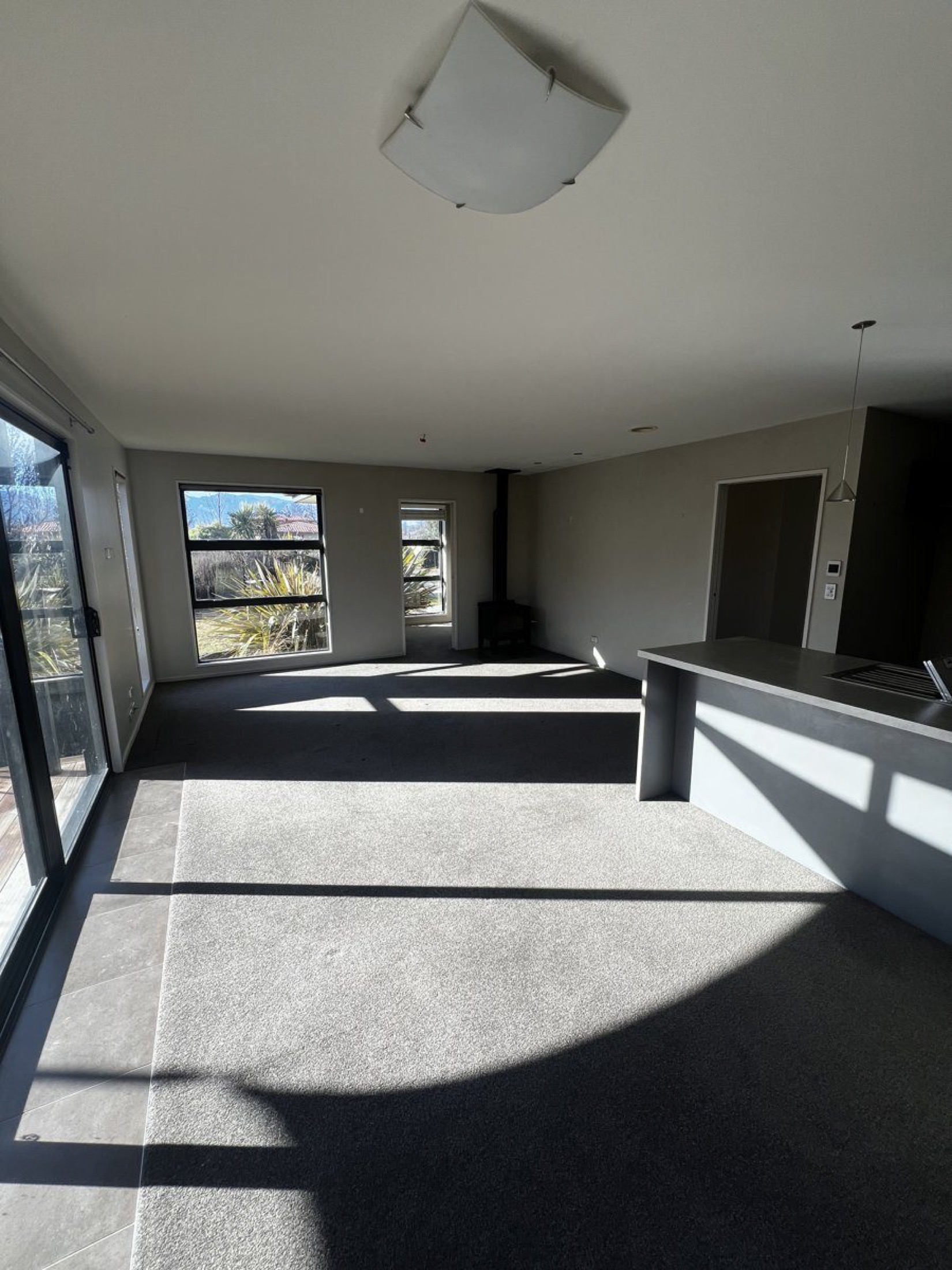
The same Albert Town ceiling after washing, sealing and two fresh coats — clean, bright and even.
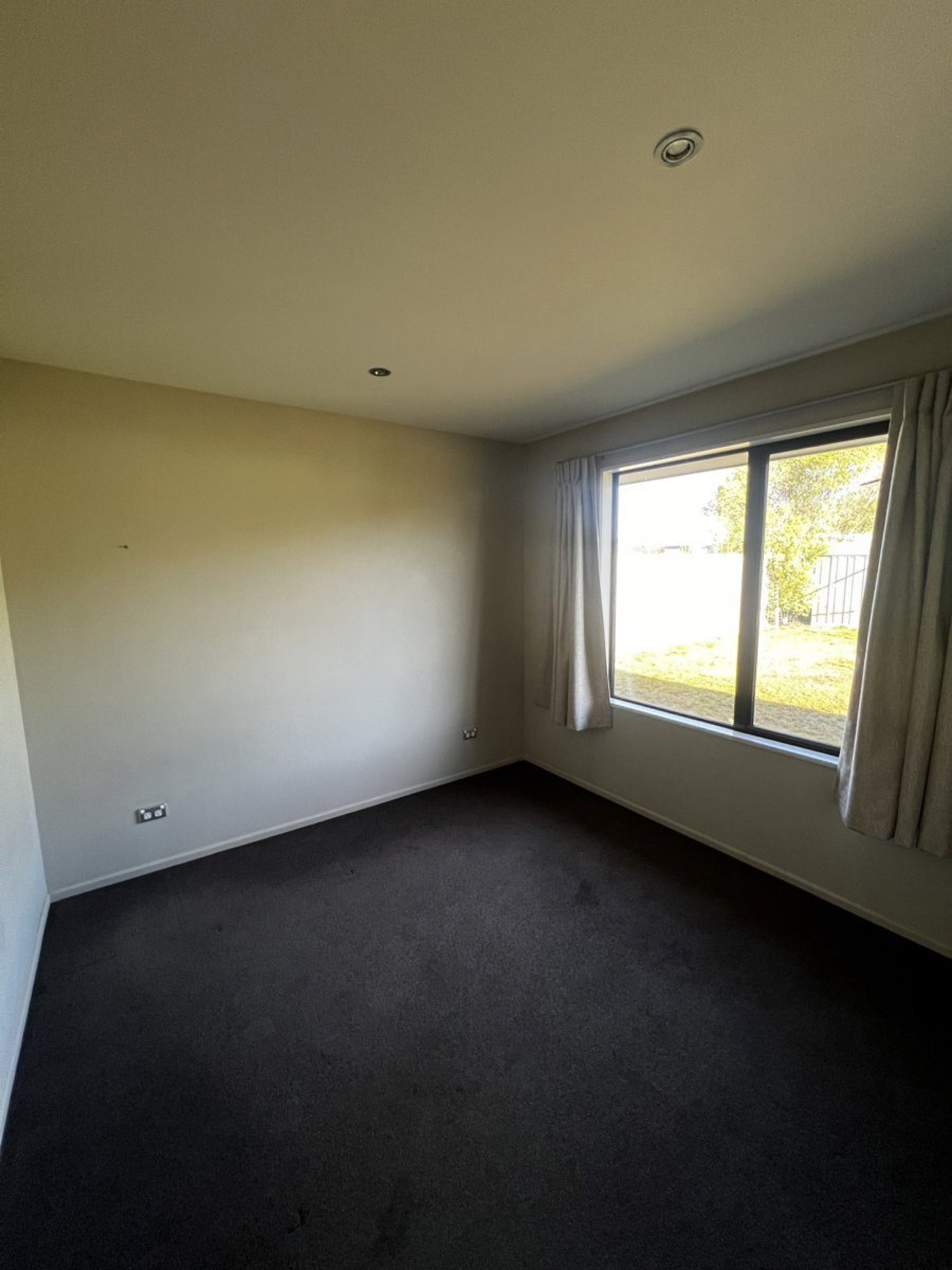
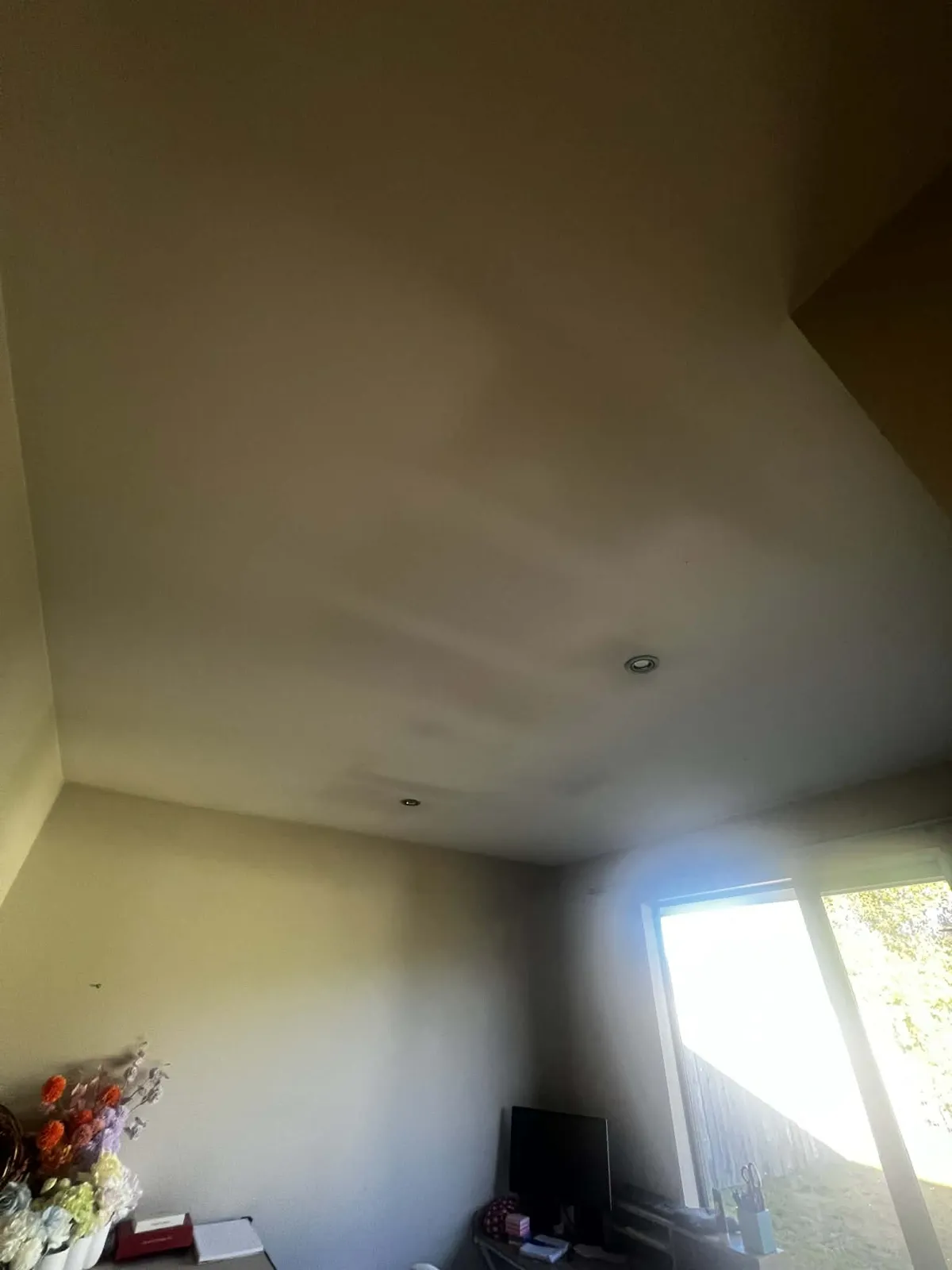
Here's one of the bedroom ceilings from that same job — drag the slider to see the ghosting disappear: